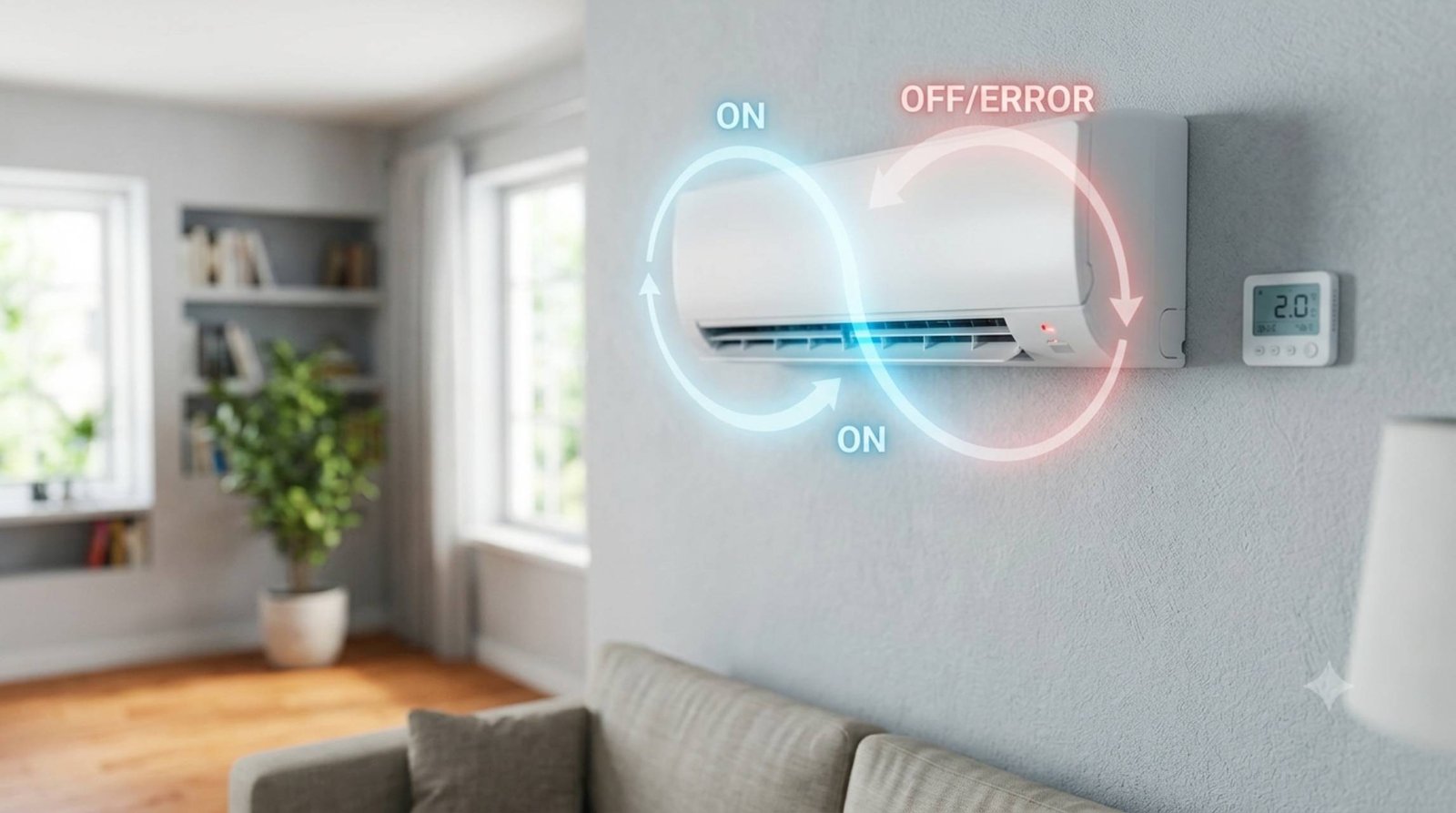
If your air conditioner starts cooling your home only to shut off a few minutes later, then repeats the same cycle over and over, you’re dealing with a problem known as short cycling. While it may seem like a minor inconvenience at first, this behavior can increase energy costs, reduce indoor comfort, and put unnecessary strain on your HVAC system. In many cases, basic troubleshooting can help identify the cause, but if the issue continues, professional AC repair McLean, VA can diagnose the problem before it leads to more costly repairs.
Understanding why short cycling happens is the first step toward protecting your air conditioner and keeping your home comfortable throughout the cooling season.
What Is AC Short Cycling?
An air conditioner is designed to run through complete cooling cycles. During normal operation, it turns on, cools your home until the desired temperature is reached, and then shuts off until cooling is needed again.
Short cycling occurs when the system turns on and off much more frequently than it should. Instead of running long enough to cool the house efficiently, it stops after only a few minutes before restarting shortly afterward.
Besides making your home less comfortable, this constant starting and stopping increases wear on important components, especially the compressor, which is one of the most expensive parts of an air conditioning system.
Why Short Cycling Shouldn’t Be Ignored
Frequent cycling affects more than your comfort. It can also lead to several long-term problems, including:
- Higher electricity bills
- Uneven temperatures throughout the home
- Increased wear on HVAC components
- Reduced system lifespan
- More frequent repairs
- Poor humidity control
The sooner the underlying cause is identified, the better your chances of avoiding larger repair costs.
Common Causes of AC Short Cycling
Several issues can cause an air conditioner to cycle too frequently. Some are simple maintenance concerns, while others require professional diagnosis.
Dirty Air Filter
A clogged air filter restricts airflow through the system. When airflow becomes limited, the evaporator coil can become too cold, causing the system to shut down as a protective measure.
Replacing the air filter regularly is one of the easiest ways to improve airflow and support efficient operation. Most homeowners should inspect the filter every month during peak cooling season.
Incorrect Thermostat Placement
The location of your thermostat plays a larger role than many people realize.
If it’s installed near a sunny window, kitchen appliances, or an air vent, it may register temperatures that don’t accurately reflect the rest of your home. As a result, the air conditioner may shut off too early or restart sooner than necessary.
A properly positioned thermostat helps maintain consistent cooling cycles.
Low Refrigerant Levels
Refrigerant absorbs heat from inside your home and releases it outdoors. If refrigerant levels become too low because of a leak, the system may struggle to complete a normal cooling cycle.
Common signs of low refrigerant include:
- Warm air from the vents
- Ice forming on the indoor coil
- Hissing sounds near refrigerant lines
- Longer cooling times
Because refrigerant systems are sealed, low levels almost always indicate a leak that should be repaired by a licensed HVAC technician.
Frozen Evaporator Coil
When the evaporator coil freezes, airflow and heat transfer are reduced significantly.
Several issues can contribute to coil freezing, including:
- Dirty air filters
- Blocked air vents
- Refrigerant leaks
- Poor airflow
If you notice ice on the indoor unit, turn the system off and allow it to thaw before scheduling an inspection.
Oversized Air Conditioner
An air conditioner that is too large for the home may cool the space so quickly that it shuts off before completing a full cycle.
Although rapid cooling may sound beneficial, oversized systems often:
- Cycle more frequently
- Leave rooms feeling humid
- Consume unnecessary energy
- Experience increased equipment wear
Proper equipment sizing depends on factors such as square footage, insulation, window placement, ceiling height, and local climate.
Electrical Problems
Faulty wiring, damaged relays, failing capacitors, or worn contactors can interrupt normal operation and cause repeated shutdowns.
Electrical issues should always be handled by qualified professionals since they involve safety risks and specialized testing equipment.
Simple Troubleshooting Steps You Can Try
Before assuming a major repair is needed, there are a few safe checks you can perform.
- Replace or clean the air filter.
- Confirm the thermostat is set correctly.
- Make sure supply and return vents are open and unobstructed.
- Check that the outdoor unit is free from leaves, grass, and debris.
- Inspect your electrical panel for a tripped breaker.
If these steps don’t resolve the problem, continued operation could place additional stress on the system.
When It’s Time to Call a Professional
Some causes of short cycling require specialized tools and technical expertise.
Professional service is recommended if:
- The system continues cycling after replacing the air filter.
- Ice repeatedly forms on the indoor coil.
- You suspect a refrigerant leak.
- The breaker trips frequently.
- The thermostat appears to function normally, but cooling remains inconsistent.
- The air conditioner is making unusual noises during startup or shutdown.
A trained technician can test electrical components, measure refrigerant pressure, inspect airflow, and determine the root cause without unnecessary guesswork.
How to Help Prevent Short Cycling
Routine maintenance goes a long way toward preventing many common HVAC issues.
Homeowners can reduce the risk of short cycling by:
- Changing air filters regularly.
- Scheduling annual professional maintenance.
- Keeping outdoor units clean and free of debris.
- Ensuring vents remain open throughout the home.
- Addressing unusual noises or cooling problems early.
- Having new HVAC systems properly sized before installation.
Preventive maintenance not only improves reliability but also helps your air conditioner operate more efficiently during periods of heavy use.
Conclusion
AC short cycling is more than an annoyance. It signals that your cooling system is struggling to operate as intended. Whether the cause is a dirty air filter, thermostat issue, refrigerant problem, frozen coil, or an oversized unit, identifying the source early can help prevent higher energy bills and expensive repairs. Regular maintenance, prompt attention to warning signs, and professional diagnosis when needed will keep your air conditioner running efficiently and your home comfortable throughout the cooling season.