Buying a new air conditioner is a significant investment, and choosing the right size is one of the most important decisions you’ll make. While many homeowners focus on energy efficiency ratings or brand names, the cooling capacity of the system has a direct impact on comfort, performance, and long-term operating costs. An air conditioner that is too large or too small can create ongoing problems that affect both your home and your budget.
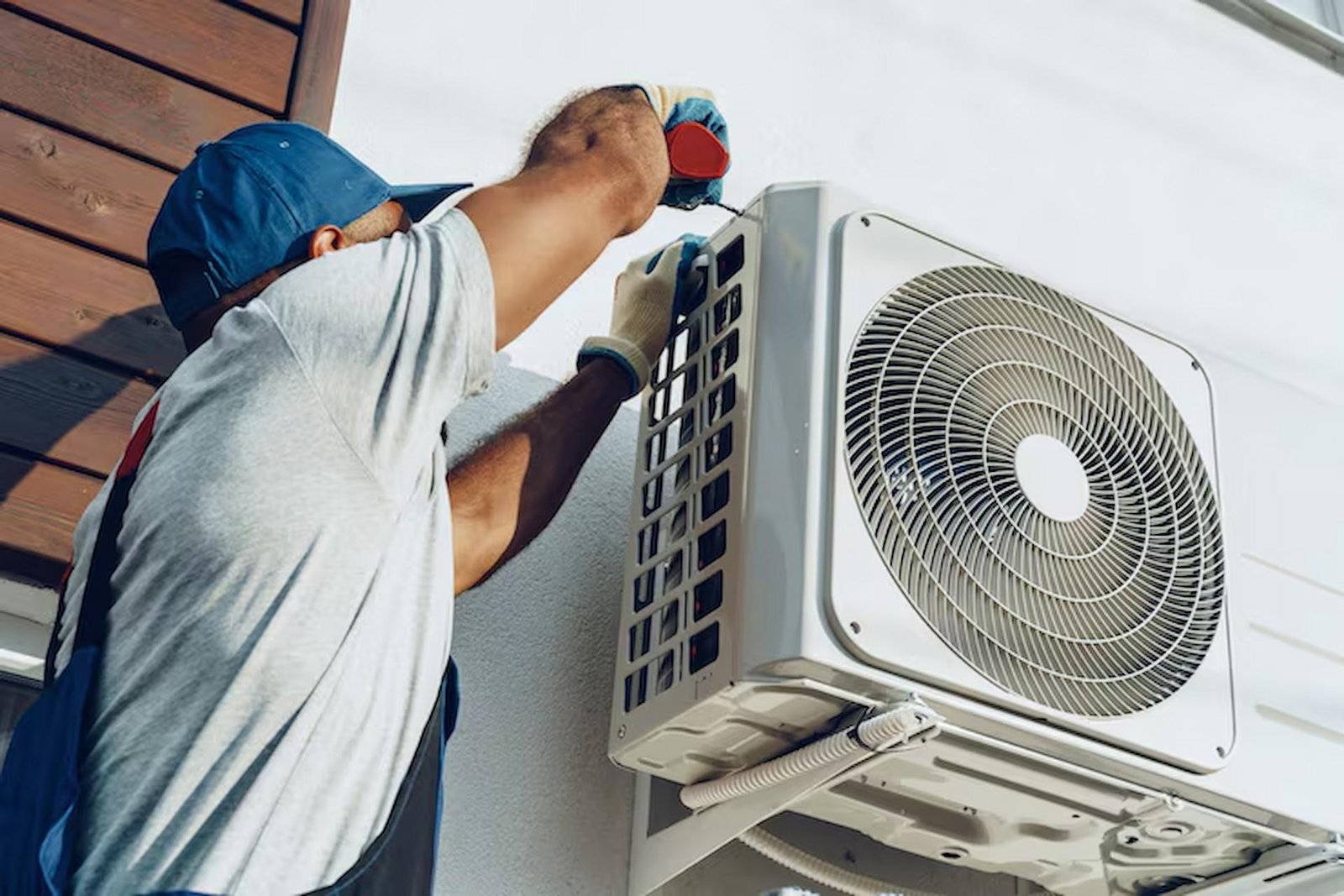
If you’re planning a system upgrade, working with professionals who specialize in air conditioner installation South Windsor, CT can help ensure your new unit is properly matched to your home’s cooling needs. A correctly sized air conditioner provides reliable comfort, better humidity control, and improved energy efficiency throughout the summer months.
Why Air Conditioner Size Is So Important
When people hear the term “air conditioner size,” they often think about the physical dimensions of the unit. In reality, size refers to the system’s cooling capacity, which is measured in British Thermal Units (BTUs) or tons. This measurement determines how much heat the system can remove from your home every hour.
A properly sized air conditioner operates efficiently by maintaining a comfortable indoor temperature without working harder than necessary. It runs through complete cooling cycles, allowing it to cool the air while also removing excess humidity. This creates a more comfortable indoor environment and helps reduce unnecessary energy consumption.
Choosing the wrong size, however, can negatively affect comfort and increase operating expenses over time.
Bigger Doesn’t Always Mean Better
It’s easy to assume that purchasing a larger air conditioner will cool your home faster and provide better performance. While a larger system can lower the temperature quickly, it often shuts off before completing a full cooling cycle. As a result, it doesn’t remove enough moisture from the indoor air.
Excess humidity can leave your home feeling sticky and uncomfortable, even when the thermostat shows the desired temperature. Frequent starting and stopping, known as short cycling, also places additional stress on the equipment. Over time, this extra wear can shorten the system’s lifespan and increase the likelihood of repairs.
An oversized unit may appear to solve cooling problems, but it often creates new ones that affect comfort and efficiency.
The Risks of Choosing a System That’s Too Small
An undersized air conditioner has the opposite problem. Instead of cooling the home quickly, it struggles to keep up with demand during warm weather. The system may run continuously without ever reaching the thermostat setting, especially during the hottest days of summer.
Because it operates for longer periods, a smaller system uses more energy and experiences greater wear on its components. Constant operation can also lead to higher utility costs and increase the chances of mechanical failures.
Although a smaller unit may seem less expensive initially, the long-term operating costs and reduced comfort often make it a poor investment.
What Determines the Right Air Conditioner Size?
Every home has different cooling requirements, which means there isn’t a universal answer for selecting the correct air conditioner. Square footage is an important consideration, but it represents only one part of the overall calculation.
Professionals evaluate several factors before recommending a system. These include the home’s layout, ceiling height, insulation levels, window size and placement, sun exposure, number of occupants, and local climate. The condition of the ductwork and the amount of air leakage around doors and windows also influence how much cooling a home requires.
Considering all of these elements provides a much more accurate estimate than simply choosing a system based on the size of the house alone.
How Professionals Determine the Correct Size
Rather than making an educated guess, HVAC professionals perform a detailed load calculation to determine the appropriate cooling capacity for a home. This process evaluates how much heat enters the building under normal conditions and calculates how much cooling is needed to maintain comfortable indoor temperatures.
The assessment considers insulation, construction materials, window efficiency, airflow, room dimensions, and other characteristics unique to the property. By gathering this information, professionals can recommend equipment that delivers balanced performance without wasting energy.
A thorough evaluation helps prevent many of the problems associated with improperly sized systems and ensures homeowners receive equipment that meets their actual cooling needs.
Signs Your Current Air Conditioner May Be the Wrong Size
Many homeowners don’t realize their existing system may be improperly sized until they begin experiencing ongoing performance issues. Uneven temperatures from room to room are one of the most common warning signs. Some areas of the home may remain warm while others become overly cool.
High indoor humidity, unusually high energy bills, frequent cycling, and constant operation can also indicate that the unit isn’t matched to the home’s cooling requirements. In some cases, homeowners notice that the system requires frequent repairs despite regular maintenance.
While these symptoms can sometimes result from aging equipment or maintenance issues, they may also suggest that the original installation did not include a proper sizing calculation.
Why Proper Sizing Saves Money
A correctly sized air conditioner offers benefits that extend far beyond comfort. Because the system operates more efficiently, it typically consumes less electricity while maintaining a consistent indoor temperature. Lower energy consumption often translates into reduced monthly utility costs.
Proper sizing also helps minimize unnecessary wear on motors, compressors, and other important components. Equipment that operates under normal conditions generally experiences fewer breakdowns and requires fewer repairs throughout its lifespan.
In addition, balanced cooling cycles improve humidity control, helping create a healthier and more comfortable indoor environment. These long-term advantages make proper sizing one of the smartest investments homeowners can make when replacing an air conditioner.
Making the Right Choice for Your Home
Replacing an air conditioner is not simply a matter of choosing the largest or most efficient model available. Every home has unique characteristics that affect cooling performance, and selecting the right system requires careful evaluation.
Homeowners should avoid relying solely on online sizing charts or recommendations based only on square footage. A professional assessment provides a more accurate understanding of the home’s cooling requirements and helps ensure the new equipment performs as expected for many years.
Taking the time to choose the appropriate system can improve comfort, lower operating costs, and reduce the likelihood of future problems.
Conclusion
Choosing the right size air conditioner is essential for creating a comfortable, energy-efficient home. While an oversized unit may cool quickly and an undersized system may seem more affordable, neither option delivers the balanced performance that homeowners need. Proper sizing ensures consistent temperatures, better humidity control, lower energy consumption, and longer equipment life.
Before investing in a new cooling system, it’s worth having your home professionally evaluated so the equipment matches your specific needs. A properly sized air conditioner will provide dependable comfort, operate more efficiently, and help you enjoy a cooler home while keeping long-term operating costs under control.