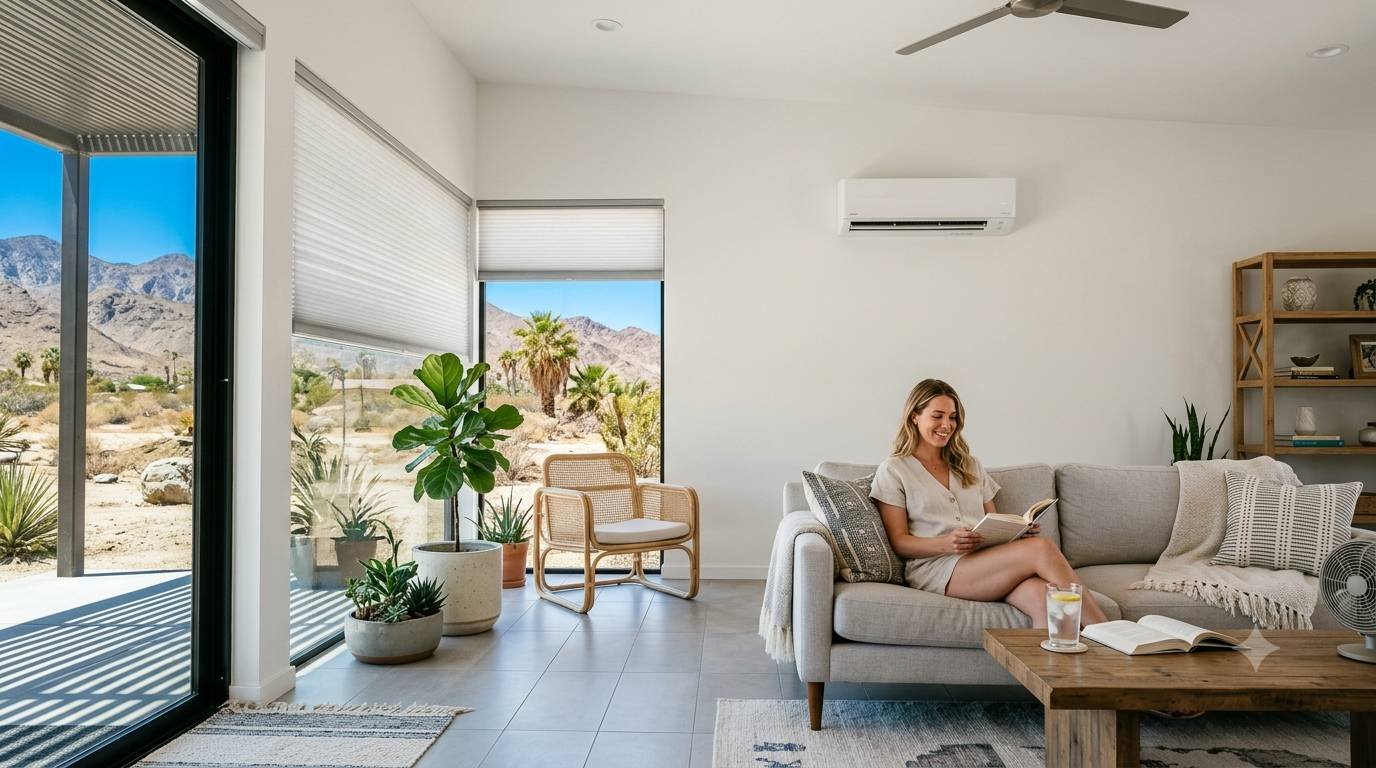
Living in the desert during summer means facing triple-digit heat, relentless sun, and dry air that tests your home’s endurance. Keeping indoor spaces refreshingly cool without skyrocketing electric bills requires smart cooling strategies and efficient equipment. Discover essential tips and expert solutions designed to maintain reliable comfort even in extreme heat.
The Challenges of Cooling in Desert Climates
Living in a desert climate presents unique cooling hurdles that typical HVAC systems rarely encounter in milder environments. When outdoor temperatures routinely climb past 100 degrees Fahrenheit, the temperature differential between the scorching air outside and your desired indoor climate becomes massive. Standard cooling habits and undersized systems simply cannot keep up with this level of relentless heat exposure.
In addition to scorching daytime highs, desert regions retain heat in asphalt, concrete, and soil long after the sun goes down. This continuous heat load forces your cooling equipment to run for extended cycles. Investing in high-performance air conditioning for desert weather ensures your home maintains a steady, refreshing temperature throughout the hottest summer stretches without causing severe mechanical strain or excessive energy consumption.
Choosing the Right Cooling System for Harsh Climates
Selecting the right equipment is the foundation of long-term home comfort when managing harsh climate conditions. Desert homes require systems engineered to handle high ambient operating temperatures while keeping energy use under control.
Key system options designed for extreme environments include:
- High-Efficiency Central AC Units: Modern central systems with variable-speed compressors adjust cooling output dynamically, matching exact demand without wasting electricity.
- Ductless Mini-Splits: Perfect for room additions, converted garages, or targeted spot cooling, ductless systems deliver precise temperature management right where you need it.
- Heat Pumps: Advanced heat pump systems offer dual-function capability, providing exceptionally efficient cooling during blazing summers and reliable heating during chilly desert nights.
- Zoned Cooling Solutions: Dividing your home into custom cooling zones allows you to redirect air to active living areas while reducing output in unused rooms.
Optimizing Thermostat Settings and Daily Airflow
Equipment performance relies heavily on how you manage daily thermostat controls and internal airflow. Setting your thermostat to a reasonable temperature, such as 78 degrees when you are home, prevents your unit from running continuously without stopping. Programmable or smart thermostats can automatically adjust temperatures based on your household schedule, saving energy while keeping bedrooms cool for sleep.
Ceiling fans serve as an excellent partner to central cooling equipment by creating a wind-chill effect that makes rooms feel several degrees cooler. Be sure your fan blades rotate counterclockwise during summer months to push air straight down. Remember that fans cool people, not rooms, so switch them off when leaving a space to conserve power.
Maximizing Insulation and Sealing Thermal Leaks
Even top-tier air conditioning for desert weather will struggle if your home allows heat to seep through walls, attic spaces, and unsealed windows. Thermal resistance, or R-value, is critical in desert architecture to prevent solar heat gain from overwhelming your interior spaces.
Essential structural adjustments to lock out extreme ambient heat include:
- Upgrading Attic Insulation: Adding blown-in or batt insulation prevents rising roof temperatures from radiating down into your ceiling space.
- Sealing Windows and Doors: Replacing worn weatherstripping and applying caulk around frame perimeters stops hot air infiltration and keeps cold air inside.
- Installing Solar Screens or Window Films: Exterior solar shades reflect UV rays and block intense sunlight before it enters your home through glass panes.
- Insulating Exposed Ductwork: Uninsulated air ducts passing through hot attics lose cooling capacity before conditioned air ever reaches your vents.
Protecting Ductwork and Indoor Air Quality
Leaky or poorly designed ductwork can waste up to 30 percent of the chilled air produced by your cooling system. Dust and debris common in dry desert winds also accumulate inside duct networks, restricting airflow and placing extra strain on the blower motor. Professional duct inspection, sealing, and periodic cleaning restore proper static pressure and ensure clean, uninterrupted airflow throughout every room.
Desert dust storm activity also impacts indoor air quality, making proper filtration essential for healthy living spaces. High-efficiency MERV filters capture fine dust particles, pollen, and airborne debris before they can coat internal cooling coils. Replacing return air filters regularly keeps your equipment breathing easily and maintains high system efficiency.
Practicing Proactive Maintenance to Prevent Summer Breakdowns
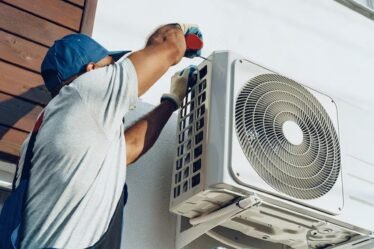
Peak summer is the absolute worst time for a cooling system to break down. Scheduling routine maintenance before extreme summer heat arrives catches minor wear and tear before it escalates into costly emergency repairs.
Critical tune-up steps performed during routine inspection include:
- Cleaning Condenser Coils: Removing dust and dirt buildup from outdoor coils ensures proper heat release into the surrounding air.
- Checking Refrigerant Levels: Correct refrigerant charge is essential for effective cooling performance and compressor health.
- Inspecting Electrical Components: Tightening loose wire connections and testing capacitors prevents sudden system failures.
- Clearing Condensate Drain Lines: Flushing drain lines stops standing water backup and guards against internal moisture damage.
Implementing Passive Cooling Habits at Home
Beyond mechanical equipment and structural upgrades, everyday household habits play a meaningful role in keeping indoor temperatures stable. Closing blinds, drapes, and shades on south- and west-facing windows during peak afternoon hours blocks strong solar heat gain before it raises indoor temperatures.
Avoiding heat-generating activities inside the kitchen during the hottest hours of the day also lightens the load on your cooling unit. Use outdoor grills, microwave ovens, or slow cookers instead of running conventional ovens or stove cooktops. Running heat-emitting appliances like dishwashers and clothes dryers during cooler evening hours further protects your indoor living environment.
Recognizing When to Upgrade or Replace Aging Equipment
Cooling systems operating in extreme desert conditions age faster than units in milder climates due to intense operational demand. If your current unit is over 10 to 12 years old, requires frequent repairs, or struggles to maintain comfortable indoor temperatures, replacing it with modern high-efficiency equipment is often the most cost-effective long-term path.
Modern cooling systems deliver significantly improved SEER2 efficiency ratings, quieter performance, and enhanced humidity management. Upgrading to specialized air conditioning for desert weather lowers monthly power bills, eliminates breakdown anxiety, and delivers dependable cooling when outdoor heat reaches its peak.
Conclusion
Conquering relentless desert heat requires a thoughtful, multi-step approach centered on preparation, structural protection, and efficient equipment performance. By understanding your home’s unique thermal challenges, optimizing daily thermostat settings, sealing structural leaks, and practicing proactive maintenance, you can transform your house into an energy-efficient oasis during the hottest summer months. Upgrading to high-performance cooling systems designed specifically for harsh environments protects your home comfort, lowers monthly utility bills, and provides total peace of mind regardless of how high outdoor temperatures rise. Taking these practical, proactive steps today ensures your family stays safe, cool, and comfortably relaxed all season long.