Winter has a way of exposing every weakness in your home’s heating setup. Cold spots become obvious, energy bills creep higher, and outdated systems struggle to keep up. That’s why many homeowners start considering a ductless system right when temperatures drop. But is winter really the right time for installation? The short answer is yes—and in many cases, it can actually work in your favor.
Why Winter Installation Is More Common Than You Think
There’s a common assumption that HVAC work should wait until spring or summer. In reality, professionals often install ductless systems year-round. In fact, installing a ductless system in the winter can be surprisingly efficient.
Contractors typically have more flexible schedules during colder months compared to peak summer demand. This often means faster project timelines and more attention to detail. Since ductless systems don’t rely on extensive ductwork, installation is less invasive and quicker than traditional HVAC systems, even in winter conditions.
How the Installation Process Works in Cold Weather
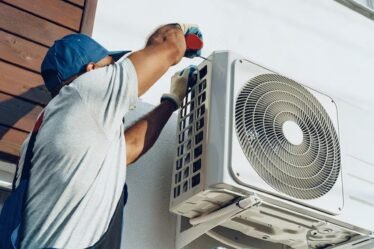
The process itself doesn’t change dramatically just because it’s winter. A typical ductless system installation involves mounting indoor air handlers, placing an outdoor condenser unit, and connecting them through a small conduit.
What changes is how technicians manage the cold. Professionals take extra precautions to ensure components function properly during installation. For example, refrigerant handling and system testing are done carefully to maintain efficiency despite low outdoor temperatures.
The good news is that modern ductless systems are designed to operate effectively even in freezing conditions. This makes them particularly suitable for winter installation without compromising performance.
Temporary Disruptions and What to Prepare For
One concern homeowners often have is whether installation will leave them without heat. In most cases, any disruption is minimal.
Since ductless systems are installed in sections, technicians can often keep your existing heating system running until the new system is ready. The installation typically takes a day or two, depending on the size of your home and the number of indoor units required.
You may experience short periods where doors or walls are opened for installation, which can let in cold air. However, experienced installers work efficiently to minimize exposure and maintain indoor comfort.
Benefits of Installing in Winter
Choosing to move forward with installing a ductless system in the winter can actually offer several advantages beyond convenience.
One key benefit is immediate comfort. Instead of waiting months, you start enjoying improved heating performance right away. Ductless systems provide targeted heating, allowing you to control temperatures room by room, which is especially valuable during colder months.
Energy efficiency is another major advantage. Many homeowners notice a reduction in energy consumption compared to traditional systems, particularly if their existing setup is outdated or inefficient.
There’s also the financial aspect. Off-season installation may come with better pricing or promotional offers, as demand is typically lower than during peak seasons.
Performance Expectations in Cold Temperatures
Modern ductless systems are built to handle winter conditions effectively. Many models can operate efficiently even when outdoor temperatures drop well below freezing.
You can expect consistent heating, quick temperature adjustments, and quieter operation compared to conventional systems. Advanced inverter technology allows these systems to maintain steady performance without constantly turning on and off.
However, it’s important to choose a system rated for cold climates if you live in an area with harsh winters. A professional installer can guide you toward the right model based on your specific needs.
Common Concerns and How They’re Addressed
Some homeowners worry that winter installation might affect system longevity or efficiency. In reality, when installed correctly, there’s no negative impact.
Experienced technicians are trained to work in varying weather conditions. They use proper tools and techniques to ensure the system is sealed, calibrated, and tested accurately. This ensures long-term performance and reliability.
Another concern is outdoor unit placement in snow or ice. Installers typically elevate the unit and position it strategically to prevent snow buildup and ensure proper airflow.
Tips for a Smooth Winter Installation Experience
Preparation plays a key role in making the process seamless. Clearing access to installation areas, both indoors and outdoors, helps technicians work efficiently. It’s also helpful to discuss your heating needs and preferences in advance so the system can be tailored to your lifestyle.
Communication with your installer is essential. Understanding the timeline, installation steps, and any temporary adjustments ensures there are no surprises along the way.
Conclusion: A Smart Move for Immediate Comfort
Installing a ductless system during winter is not only possible but often highly practical. With faster scheduling, immediate heating benefits, and improved energy efficiency, it’s a decision that can enhance comfort right when you need it most.
Rather than waiting for warmer months, taking action during winter allows you to solve heating issues without delay. With the right system and a skilled installer, you can enjoy reliable, efficient warmth throughout the season and beyond.